
FAQ
Frequently Asked Questions: Pest Control in Miami,Texas
Frequently Asked Questions About Pest Control in Miami
At Pest Control Xperts, we believe that an informed customer is our best partner in keeping homes and businesses pest-free. The unique tropical climate of South Florida creates specific challenges that property owners in other parts of the country simply do not face. From the humidity that drives roaches indoors to the seasonal rains that send ants looking for high ground, Miami pests are persistent. Below, we have compiled a comprehensive list of the most common questions we receive regarding our pest management and extermination services. Whether you live in a single-family home in Miami Gardens or manage a condo in North Miami Beach, you will find detailed answers here to help you understand what is happening on your property and how we can help.
Eliminate Pests ASAP—Call Now!
General Service and Company Questions
Do you provide pest control services in my specific neighborhood?
We are a locally focused company serving a wide range of communities in South Florida. Our primary service area includes Miami, Miami Beach, Key Biscayne, North Miami Beach, and Miami Gardens. We also serve surrounding neighborhoods such as Coral Gables, Coconut Grove, Hialeah, Doral, and Pinecrest. We understand the specific construction styles and pest pressures unique to these areas, from the wood-frame homes in older neighborhoods to the concrete block structures in newer developments.
Are your treatments safe for my children and pets?
Safety is the foundation of our pest management philosophy. We practice “Safe Pest Management,” which means we prioritize the safety of your family and pets in every decision we make. We utilize an approach called Integrated Pest Management (IPM). This method emphasizes inspection, sanitation, and exclusion first. When products are necessary, we use targeted application methods—such as gels, baits, and crack-and-crevice treatments—that place the control material in areas inaccessible to children and animals. We will always provide you with clear, specific instructions regarding any drying times or reentry intervals to ensure complete safety.
Do you offer eco-friendly or “green” pest control options?
Yes, we offer environmentally friendly pest control strategies for clients who prefer reduced-impact solutions. Our IPM approach naturally reduces the reliance on broad-spectrum chemicals. We can utilize botanical-based repellents, essential oil formulations, and mechanical trapping methods. Additionally, our focus on “Pest Proofing” (sealing entry points) is the ultimate green solution because it physically stops pests without the use of any products at all. Please let our technicians know your preferences, and we will tailor a plan that aligns with your values.
How often should I have my home serviced for pests?
In the Miami area, pest pressure is constant year-round due to the lack of a freezing winter. For most residential properties, we recommend a regular maintenance schedule to maintain a protective barrier. While a one-time service can resolve an immediate infestation, “Periodic Pest Inspections” and preventative treatments are crucial for long-term control. Bi-monthly or quarterly services are typically sufficient for maintaining a pest-free environment, though severe infestations may require more frequent visits initially to break the breeding cycle.
What is the difference between residential pest control and commercial pest services?
While the pests are often the same, the environments and risks differ significantly. Residential pest control focuses on the safety and comfort of your family living space. Commercial pest services, on the other hand, must adhere to strict regulatory standards, particularly for restaurants and healthcare facilities. Our commercial programs focus heavily on documentation, zero-tolerance protocols, and audit compliance. We tailor our commercial services to be discreet and efficient to minimize disruption to your business operations.
Ant Control Questions
Why do I have ants in my kitchen if I keep it clean?
This is one of the most common frustrations for Miami homeowners. While sanitation helps, ants are driven by biological needs for moisture and shelter, not just food. During heavy rains or extreme heat, colonies may move indoors simply to escape the weather. Furthermore, species like Ghost Ants and Pharaoh Ants have high moisture requirements and often nest in wall voids near plumbing pipes. Even a spotless kitchen can have a leaky faucet or condensation line that attracts them. Our pest inspection identifies these hidden drivers.
I sprayed the ants, but they came back in greater numbers. Why?
Using over-the-counter repellent sprays on certain ant species—specifically Ghost Ants and Pharaoh Ants—can actually make the problem worse. This phenomenon is known as “budding.” When these ants detect a strong chemical threat, the colony panics and splits into multiple smaller colonies to ensure survival. You might kill the few ants you see, but you have effectively spread the infestation to other rooms. Professional ant extermination uses non-repellent transfer baits that the ants carry back to the queen, eliminating the colony without triggering this budding response.
Do you treat Carpenter Ants differently than other ants?
Yes, absolutely. Carpenter Ants are a wood-destroying organism, whereas most other ants are nuisance pests. Carpenter Ants excavate wood to build their nests, which can cause structural damage to your home over time. “Carpenter Ant Removal” requires locating the satellite nests inside the structure and often the parent nest outdoors in a tree or stump. The treatment involves targeted injection into the wood galleries and exterior perimeter defense, rather than just surface baiting.
How do you find where the ants are getting in?
Our technicians are trained in “Pest Tracking.” We follow the pheromone trails that ants leave behind. By tracing these trails backward, we can usually locate the entry point, whether it is a crack in the stucco, a gap around a window frame, or a utility line entering the house. Once identified, we can recommend or perform “Exclusion Techniques for Pests” to seal these highways permanently.
Roach Control Questions
What is the difference between a German Roach and a Palmetto Bug?
Understanding this difference is critical for effective treatment. A “Palmetto Bug” is typically an American Cockroach. These are large, reddish-brown, capable of flight, and generally live outdoors in mulch or trees. They enter homes occasionally but do not typically infest kitchens. German Cockroaches are small, light brown with two dark stripes, and do not fly. They infest indoor areas like kitchens and bathrooms rapidly and cause sanitary issues. Palmetto bugs are treated with exterior barriers; German roaches require intensive interior baiting and growth regulators.
How long does it take to get rid of a German Roach infestation?
German roaches are resilient breeders. A single female can produce an egg capsule containing 30-40 babies every few weeks. Because of this, “Roach Extermination” is a process, not a single event. You will see a reduction immediately after our first service, but complete elimination often takes two to three visits to break the egg cycle. We use Insect Growth Regulators (IGRs) that act like birth control for roaches, preventing the nymphs from maturing, which is essential for long-term success.
Do I need to empty my cabinets for roach treatment?
For severe German roach infestations, we may ask you to remove items from your cabinets and pantry. This allows us to access the cracks and crevices where roaches hide and apply gel baits directly into the hinges and corners. For maintenance services or minor issues, extensive preparation is usually not required. We will provide you with a specific prep sheet based on our “Pest Assessment Services” findings.
Why am I seeing roaches in my bathroom?
Bathrooms provide the high humidity and moisture that roaches crave. American roaches often enter through drains or plumbing gaps, while German roaches may feed on soap residue and toothpaste. If you see roaches in the bathroom, it often indicates a moisture issue, such as a slow leak under the sink or a gap in the shower seal. Our inspection will help identify these contributing factors.
Rodent and Mice Control Questions
I hear scratching in my attic. Is it rats or something else?
In Miami, scratching in the attic is most commonly caused by Roof Rats (Black Rats). They are excellent climbers and prefer high nesting sites. However, it could also be raccoons, opossums, or squirrels. The difference is often in the timing and the sound. Rats are nocturnal and sound like light scurrying or scratching. Heavier thumping might indicate a larger animal. Our “Rodent Removal” service begins with a detailed inspection of the attic and roofline to identify the intruder based on droppings, rub marks, and nesting habits.
Do you use poison to kill rats in the house?
We generally advise against using rodenticides (poisons) inside a home. If a rat eats poison and dies inside a wall void or inaccessible attic space, the resulting odor can be unbearable and last for weeks. Instead, we use trapping methods to capture and remove the rodents physically. This ensures we can dispose of the animal properly. Poison is typically reserved for tamper-resistant exterior stations to reduce the overall population pressure around the property.
What is “Rodent Exclusion” and why is it necessary?
Trapping removes the rats currently in your home, but it does not stop new ones from entering. “Rodent Exclusion” is the process of sealing the entry points—holes in the soffits, gaps in roof returns, unsealed A/C chases, and cracks in the foundation. Rats can squeeze through a hole the size of a quarter, and mice through a hole the size of a dime. Without exclusion, “Mice Extermination” is only a temporary fix. We use durable materials like steel wool, concrete, and metal flashing to harden your home against future invasion.
How do rats get onto my roof?
Roof Rats are acrobats. They use tree limbs touching the house, power lines connecting to the weatherhead, tall fences, and even rough stucco walls to climb. We recommend keeping all tree branches trimmed at least six feet away from the roofline. During our inspection, we will identify these “bridges” and recommend landscaping changes to reduce accessibility.
Termite Control Questions
How do I know if I have termites or flying ants?
This is a critical distinction, especially during swarm season. Termite swarmers (alates) have a thick, straight waist, straight antennae, and two pairs of wings that are equal in length. Flying ants have a pinched “wasp-like” waist, bent antennae, and wings of unequal length. If you see a swarm inside your home, please save a few specimens in a baggie for us to identify. Regardless of which it is, a swarm inside usually indicates an active nest nearby.
Do I always have to tent my house for termites?
No. Tenting (structural fumigation) is specifically for Drywood Termites that live inside the wood framing and furniture. However, even for Drywood termites, there are “no-tent” options available if the infestation is localized and accessible. For Subterranean Termites, which live in the soil, tenting is ineffective. Instead, we use soil treatments (“Termite Treatment”) or baiting systems around the foundation. Our inspection determines the species and the best treatment method.
How does a Subterranean Termite treatment work?
Because these termites travel from the soil to your home, we treat the soil to create a defense zone. We trench around the foundation and apply a non-repellent liquid termiticide. The termites tunnel through this treated soil unknowingly and transfer the material back to the colony, leading to total colony elimination. Alternatively, we may use bait stations installed in the ground that intercept foraging termites with a slow-acting bait.
What is a WDO Inspection?
A Wood Destroying Organism (WDO) report is a specific type of “Termite Inspection” often required during real estate transactions. It documents visible evidence of termites, powder post beetles, old house borers, and wood-decaying fungi. Our inspectors are trained to spot the subtle signs of these organisms, such as mud tubes, frass, and exit holes, ensuring you know the true condition of the property before you buy or sell.
Bed Bug Control Questions
How did I get bed bugs? Is my house dirty?
Bed bugs have nothing to do with cleanliness. They are hitchhikers that feed on blood. You can pick them up in 5-star hotels, taxis, movie theaters, or from a guest’s luggage. They are driven by the presence of a host (you), not by dirt or food crumbs. Once introduced, they hide in cracks and crevices near the bed. Do not feel embarrassed; this is a common issue in travel hubs like Miami. Our “Bed Bug Eradication” services are discreet and professional.
Do I have to throw away my mattress and furniture?
In most cases, no. We can successfully treat mattresses, box springs, and headboards. We may recommend encasing your mattress and box spring in a bed bug-proof cover after treatment to trap any remaining pests and prevent re-infestation. However, if a piece of furniture is heavily compromised or structurally damaging to treat, we might suggest disposal, but saving your property is our primary goal.
How do I prepare for a bed bug treatment?
Preparation is vital for success. We will provide a detailed checklist, but generally, you will need to: remove all bedding and wash it in hot water, clear clutter from floors (especially under the bed), empty nightstand drawers, and pull furniture away from the walls. This gives our technicians access to the “Bed Bug Hiding Spots” where treatment is most needed. “Treatment Planning” relies on your cooperation with these steps.

Flea and Tick Control Questions
Why do I still see fleas after you treated my home?
The flea life cycle includes a pupal stage (cocoon) that is water-tight and resistant to almost all pesticides. After we treat, the adults die, and the larvae stop developing, but the existing pupae must still hatch to contact the treatment. This “emergence” can happen up to two weeks after service. We recommend daily vacuuming after treatment because the vibration stimulates the pupae to hatch sooner, exposing them to the control material faster.
Do I need to treat the yard for fleas and ticks?
Yes. In Miami, fleas and ticks live outdoors year-round. If you treat the inside but not the outside, your pet will simply bring a fresh batch of parasites in every time they go for a walk. Our “Flea Treatment” and “Tick Removal” services usually involve a comprehensive interior and exterior application to break the cycle. We also target shaded areas and shrubbery where ticks wait for hosts.
What is the Brown Dog Tick?
The Brown Dog Tick is a unique species common in Florida that can complete its entire life cycle indoors. Unlike other ticks that live in grass, this tick climbs walls and hides in curtains, door frames, and furniture cracks. It is a severe nuisance that requires specialized indoor crack-and-crevice treatment, distinct from standard flea treatments. If you are finding ticks crawling on your walls or ceiling, it is likely this species.
Spider Control Questions
Are the spiders in my house dangerous?
Most spiders encountered in Miami homes, such as Wolf Spiders, Huntsman Spiders, and Jumping Spiders, are venomous (as all spiders are) but harmless to humans. They are nuisance pests. However, we do have Black Widows and occasionally Brown Widows, which pose a medical risk. These typically hide in dark, undisturbed areas like garages, water meter boxes, and woodpiles. Our “Spider Removal” service includes identifying these species and removing them safely.
Why do I have so many spider webs on my patio or pool screen?
Spiders build webs where there is food. If you have lights on your patio or pool cage, they attract flying insects like moths and mosquitoes. Spiders set up shop to catch this buffet. Part of our “Indoor Pest Control Support” involves de-webbing these areas to keep your home looking clean, but we also recommend changing exterior bulbs to yellow “bug lights” to reduce the prey that attracts the spiders.
Prevention and Process Questions
What is “Pest Proofing” and do you offer it?
“Pest Proofing” involves making physical changes to your home to prevent pests from entering. This includes installing door sweeps, sealing cracks in the foundation, screening vents, and caulking gaps around windows. Yes, we offer pest proofing as part of our comprehensive solutions. We believe that keeping pests out is far superior to treating them once they are in.
What happens during a “Pest Inspection”?
A professional inspection is a systematic review of your property. Our technicians check the interior for moisture issues, sanitation concerns, and entry points. We check the attic for insulation damage and rodent signs. We check the exterior perimeter for termite tubes, ant trails, and conducive conditions like wood-to-soil contact. Following the inspection, we provide a “Assessment” and a clear plan of action tailored to your specific needs.
What areas do you serve?
We provide our full range of services to the following zip codes and neighborhoods:
33101, 33125, 33127, 33128, 33129, 33130, 33131, 33132, 33137, 33139, 33142, 33145.
This covers Miami, Miami Beach, Key Biscayne, Miami Gardens, North Miami Beach, and surrounding communities. If you are unsure if you are in our service area, please reach out to us for assistance.
How can I prepare my home for a standard pest control service?
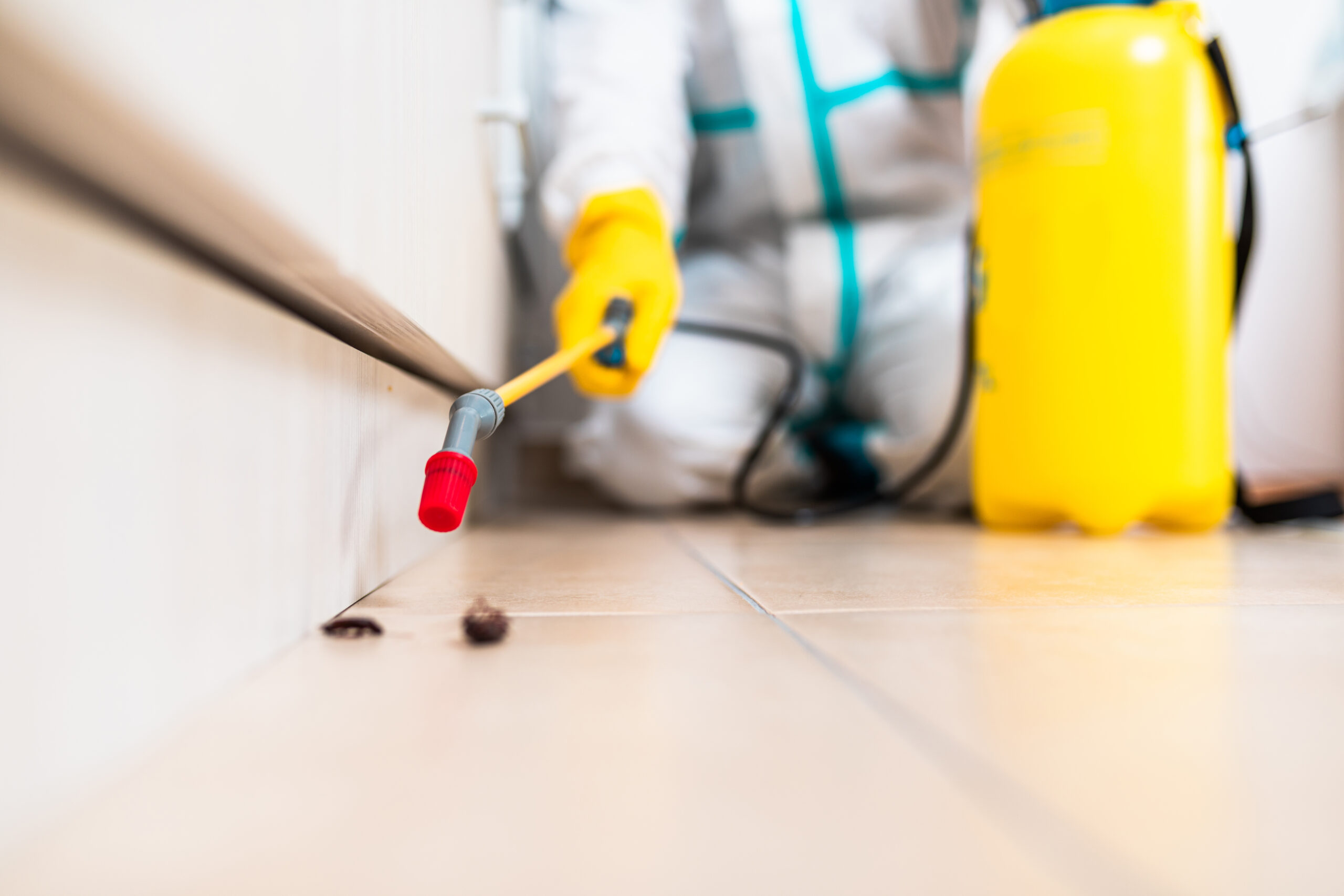
For general maintenance, ensure easy access to baseboards by moving small items. Clean up any food spills and take out the trash. If we are treating the exterior, please unlock gates and ensure pets are inside. Clear communication about any specific issues you have seen (e.g., “ants in the guest bathroom”) helps us focus our efforts effectively.
Still have questions?
We are here to help. If you are dealing with a specific pest issue not covered here, or if you need to schedule a service, our local team is ready to assist you. Don’t let pests take over your home.
Contact us today